
OnlyFans processes a $0.10 card verification hold even when you subscribe to a free page. This article explains why the tiny authorization appears at a zero-dollar signup and how long it takes to disappear from your statement. BestOnlyFans refreshes its rankings every month.
A free page charges nothing for access, yet the signup form still asks for card details. That mismatch confuses many new subscribers, who expect a $0 page to skip payment fields entirely. The charge is real, but it is an authorization rather than a purchase, and it reverses on its own.
BestOnlyFans tracks how these small holds behave across free and paid pages. The rest of this guide covers the hold from the platform’s side, the refund window, and what to do if the $0.10 lingers past the expected clearing time.

Why a Free Page Still Requires Card Information
A page priced at $0 removes the subscription fee, not the account requirements. The platform still needs a payment method on file before it unlocks content, because the card field doubles as an age gate and an identity check. A creator can set a free page and earn through tips, pay-per-view messages, and paid chat, but every subscriber behind that page passed the same verification step.
Card details also keep the account ready for future purchases. Many free pages sell individual PPV messages that unlock up to $50, and paid chat commonly runs $3-$5 per message. A card already on file means a subscriber can buy those items without re-entering payment information mid-session.
Fraud prevention is the third reason. A card that responds to a small authorization is far harder to fake than an email address, and that single check filters a large share of automated signups before they reach a creator’s page.
- Age verification: the card confirms the subscriber is an adult in eligible regions.
- Identity confirmation: a valid authorization ties the account to a real payment instrument.
- Fraud prevention: a live card check blocks bulk fake registrations.
- Future purchase readiness: PPV, tips, and paid chat all need a working card.
What the $0.10 Hold Actually Is
The platform asks the card issuer to reserve a trivial amount to prove the card is valid and active. If the issuer approves, the signup proceeds and the reserved amount sits as a pending item until it reverses.
Nothing is transferred to the creator or the platform at this stage. The money stays inside the banking system as a temporary hold, and the reversal is automatic. No subscriber action triggers the refund, because no purchase was completed in the first place.
Tip: if a signup page ever asks for more than a token authorization on a $0 subscription, stop and check the domain. A real verification hold is tiny and always reverses.
- The card number is entered during signup.
- A $0.10 authorization is initiated against the card.
- The bank approves or declines the request.
- The hold appears as a pending item on the statement.
- The hold reverses automatically within days.

The Refund Timeline After Signup
The reversal usually completes within a few business days, but the exact timing depends on the issuer rather than the platform. Banks post and clear pending authorizations on their own schedules, and weekends or holidays can push the date back by a day or two.
The table below maps the typical lifecycle. Treat the day numbers as a general pattern, not a guarantee, because card issuers differ in how quickly they release small holds.
| Day | What happens | Where you see it | Action needed |
|---|---|---|---|
| Day 0 | Authorization initiated at signup | Pending transactions | None |
| Day 1 | Bank approves and reserves $0.10 | Pending transactions | None |
| Day 3 | Reversal begins processing | Pending or posted list | None |
| Day 5-7 | Hold fully released | Balance restored | Check statement if missing |
On a debit card, the reserved $0.10 can temporarily reduce the available balance. On a credit card, it may count against the credit line until it clears. Neither case represents a real cost, since the amount returns to the account.
How to Read the Hold on Your Bank Statement
Small authorizations are easy to miss, so knowing where to look saves time. Most issuers list them under pending transactions rather than the posted history, and the merchant descriptor may not match the brand name exactly. The date of the entry should line up with the day the account was created.
- Look for small pending charges rather than posted ones.
- Compare the merchant name against known billing variations.
- Distinguish pending items from settled transactions.
- Note the charge date and match it to your signup day.
Pending entries behave differently from posted charges. A pending authorization has not settled, so it cannot be disputed the way a completed payment can. It simply expires and disappears. If the same amount later appears as posted, that is unusual for a verification hold and worth a query with the issuer.
One more check helps: a genuine base subscription never falls below $4.99, so any recurring charge in that range is a real subscription rather than a hold. A promotional first month can sit below that floor, for example $3, but a base price cannot.

What to Do When the Hold Persists
Most holds clear on their own, but occasionally one sticks. Work through the steps in order before assuming something went wrong, because the cause is usually issuer-side timing rather than a billing error.
- Wait five business days from the signup date.
- Check the statement again for the reversal entry.
- Contact the card issuer if the hold has not cleared.
- Contact platform support only after the issuer responds.
Issuers can release a stuck authorization manually, and that is the fastest route in most cases. Platform support can confirm whether a verification attempt was logged, but it cannot force a bank to release a hold.
If the card was declined during signup, no hold should exist at all. A declined authorization never reserves funds, so a lingering charge after a decline points to a different transaction and deserves a closer look at the statement.
Phishing pages imitate payment forms to capture card numbers, and the token authorization used by legitimate platforms looks nothing like the full card capture a fake page requests. Learning to spot that difference protects more than a dime.

Readers who want to browse listings before committing a card can start with free onlyfans without account to see how free pages are catalogued. Ranking sites exist precisely because the platform has no built-in discovery feed or directory, so creators cannot be found through search inside the app itself.
Privacy Considerations for Card Entry
Some subscribers prefer not to attach a primary bank card to any subscription platform. That preference is reasonable, and several card options reduce exposure without blocking signup. The $0.10 hold behaves the same way on all of them.
- Prepaid cards: load a small balance and keep the main account separate.
- Virtual card numbers: generate a number that can be frozen or deleted later.
- Single-use card services: issue a number that expires after one merchant.
- Secondary bank accounts: keep subscription activity away from primary funds.
Each option trades convenience for separation. A prepaid card is simple but needs enough balance for future PPV purchases, which can reach $50 per unlock. A virtual number offers better control but requires an app or issuer that supports it. Chargeback rules also differ by card type, which matters if a dispute ever arises.
| Card type | Setup effort | Privacy level | Refund handling |
|---|---|---|---|
| Primary debit card | None | Low | Automatic reversal |
| Credit card | None | Low | Automatic reversal |
| Prepaid card | Moderate | Medium | Reversal to card balance |
| Virtual card number | Moderate | High | Reversal to linked account |
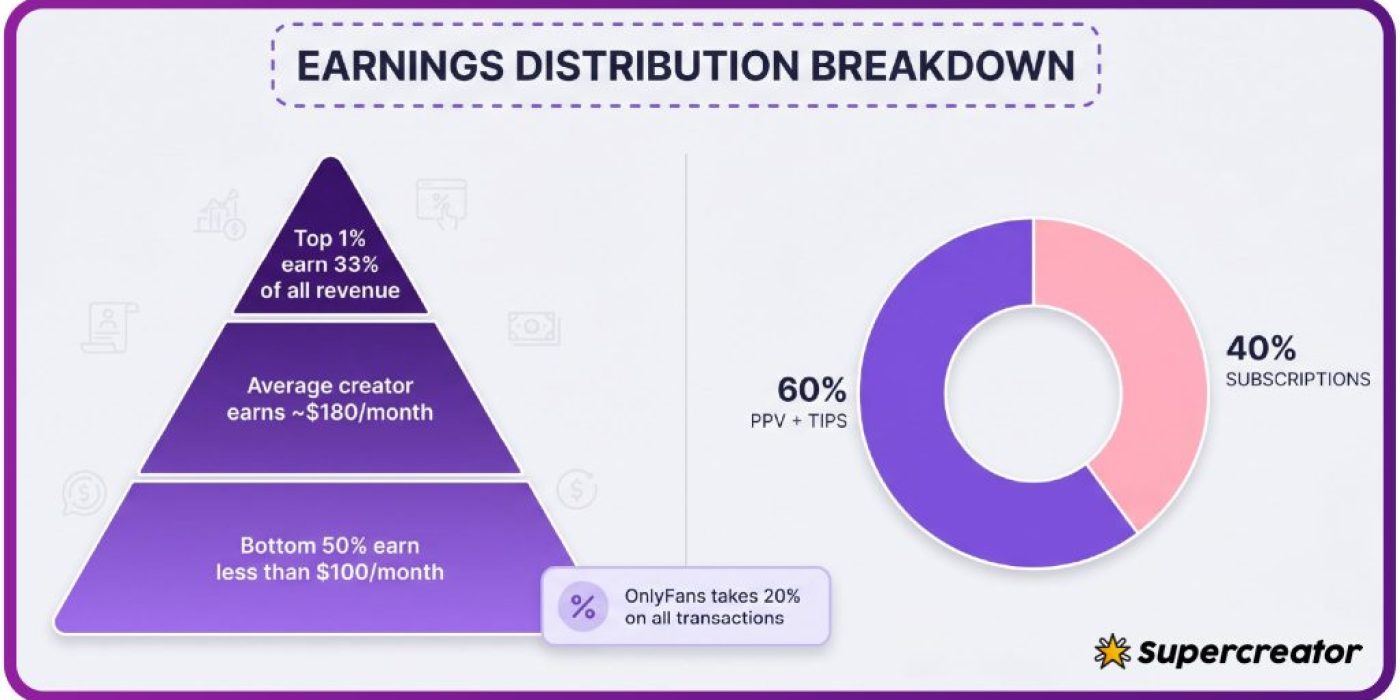
The platform fee structure stays the same regardless of card type: 20% goes to the platform and the creator keeps 80% of any purchase. The hold itself never touches that split, since it is not a completed transaction.
One practical note for anyone using a virtual number: keep it active until the hold clears. Deleting the card immediately after signup can complicate the reversal, because the issuer needs the number live to release the authorization.

BestOnlyFans compares these card setups as part of its ranking methodology, weighing how each option handles holds, refunds, and follow-up purchases. That comparison feeds into how free pages are scored in the site’s listings.
After the Hold Clears: What Happens Next
Once the authorization reverses, the account is fully verified and the page unlocks. Nothing further is owed on a free subscription, and the card stays on file only for optional purchases such as tips or PPV messages. The account then behaves like any other. Messages arrive in the inbox, PPV offers appear with individual prices, and tips can be sent at any amount up to $100. Paid chat, when a creator offers it, runs $3-$5 per message and bills per message rather than per conversation.
If a creator later raises the subscription price, auto-renew stops and existing access lasts until the current paid period ends. That rule applies to paid pages, not free ones, but it is worth knowing before any upgrade decision. The broader context is a platform that grew quickly and now hosts millions of accounts across free and paid tiers. Understanding how the billing plumbing works, from a ten-cent authorization to a full subscription, makes the whole system far less confusing.

FAQ
Why does a free OnlyFans page require my card details?
The card confirms age and identity and prevents fraudulent signups. Even at a $0 subscription price, the platform needs a valid payment method before it unlocks content, and the same card stays ready for optional PPV, tips, or paid chat later.
How long does the $0.10 verification hold last?
Most holds reverse within three to five business days. The exact timing depends on the card issuer rather than the platform, and weekends or holidays can add a day or two before the reserved amount returns to the available balance.
What if the $0.10 charge never gets refunded?
Wait five business days, then check the statement for the reversal. If it is still missing, contact the card issuer first, since banks can release a stuck authorization directly. Platform support can confirm the verification attempt but cannot force a release.
Can I use a prepaid card for a free OnlyFans signup?
Yes, prepaid cards pass the same authorization check as debit and credit cards. Keep enough balance for future purchases, which can reach $50 per PPV unlock, and leave the card active until the ten-cent hold clears.